

Exercise for arthritis
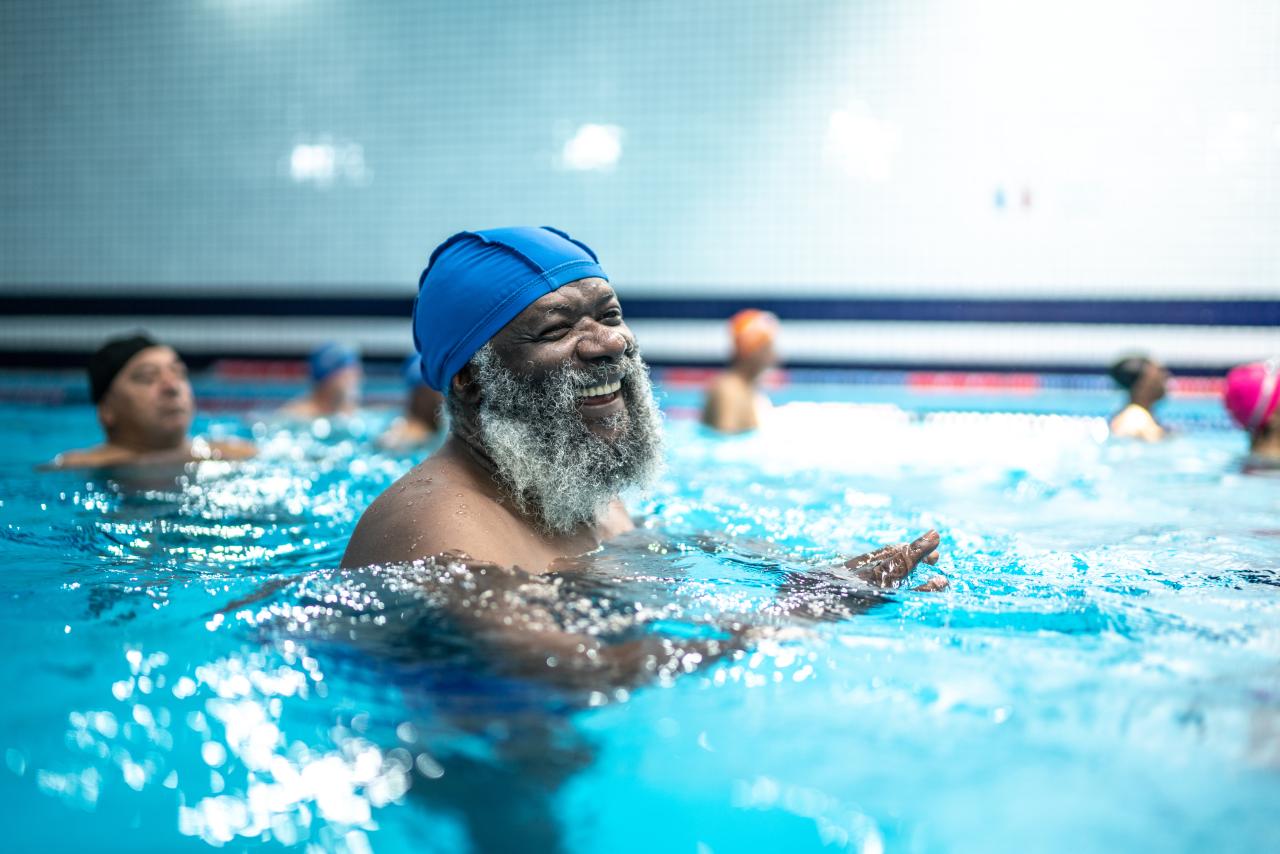
Regular exercise helps to nourish your cartilage, keep your muscles strong, and your joints flexible. Exercise will also help you to manage your body weight and improve your sleep.
General exercise tips
- Exercise in water to reduce the load on your joints. Try walking in the pool, swimming or doing low-impact water aerobics.
- Try other low-impact activities or equipment, such as a stationary bike or elliptical machine. Avoid exercises that involve jumping and twisting if you have arthritis in your hips, knees or feet.
- If you enjoy walking, consider using a walking aid to reduce the stress on your joints while still allowing you to stay active. A cane can reduce the force on your hips and knees and may help you to walk further with less pain. Walking poles can help your balance and give you greater confidence on uneven ground.
- Start slowly and build gradually. Keep your exercises short and easy when you start. As you get stronger, your exercises can get harder.
- Look for joint friendly classes at your local recreation centre.
- Talk to your physiotherapist or doctor about what exercises are right for you. This is particularly important if you are new to exercise, have restricted joint motion, pain or swelling, a history of falls, or are recovering from surgery such as joint replacement.
Stop before you exercise too much
It can be normal to have increased pain during exercise, but it should be tolerable. You may have pushed yourself too hard if you have high pain levels or your joint is sore for more than 24 hours after exercising. Try exercising for a shorter period, taking breaks, reducing the load or effort needed, or finding a new activity.
Include a variety of exercises
- Movement (range of motion) and stretching exercises to keep your joints and muscles flexible.
- Strengthening exercises to build muscles. Strong muscles help to support and stabilize your sore joints and maintain your day-to-day function. Muscle also burns more calories than fat. Aim to do strengthening exercises at least 2 days per week.
- Balance exercises to reduce your risk of falls. Your balance can worsen when you have arthritis, and your risk of falling can increase.
Reduce the amount of time you spend sitting throughout the day for important health benefits. Try standing and moving about for a few minutes every 30 minutes during the day.
Exercise resources
-
-
Exercise Tips for Arthritis
-
Water Exercises
-
Walking poles
-
Hip and Knee Exercises
-
Hand Exercises
-
Shoulder Exercises
-
Foot and Ankle Exercises
-
Core Strength Exercises
-
Gardening Exercises
-
-
-
Exercises for Hand Osteoarthritis
Learn about exercises for hand osteoarthritis. Always consult a physical therapist or physician for specific exercise advice.
-
Arthritis Society Canada exercise videos
Scroll down to "Physical activity playlists". A variety of exercise videos for arthritis, including yoga, movement exercise, strengthening and stretching.
-
-
-
GLA:D Canada
A neuromuscular exercise program for hip or knee osteoarthritis, usually delivered by physiotherapists
-
Choose to Move
A physical activity support program in British Columbia
-
ABC Program
A Vancouver Parks inclusive exercise program for all abilities
-
Arthritis-friendly pool classes in the Lower Mainland
-
HealthLinkBC - Active for Health
Find resources for active living with arthritis. You can also connect with a qualified exercise professional.
-
I START Tool
An education and conversation tool for co-developing muscle-strengthening exercise prescriptions for people with rheumatoid arthritis.
-
Just One Move - Arthritis Toolkit
Resources and tools to help you stay active with rheumatoid arthritis.
-
Urban Poling
Information and videos about pole walking
-
Arthritis Society Canada - Physical Activity Guide
-
JointHealth Education – Arthritis and Exercise
Information and guidance on safe and effective exercises for arthritis.
-
