

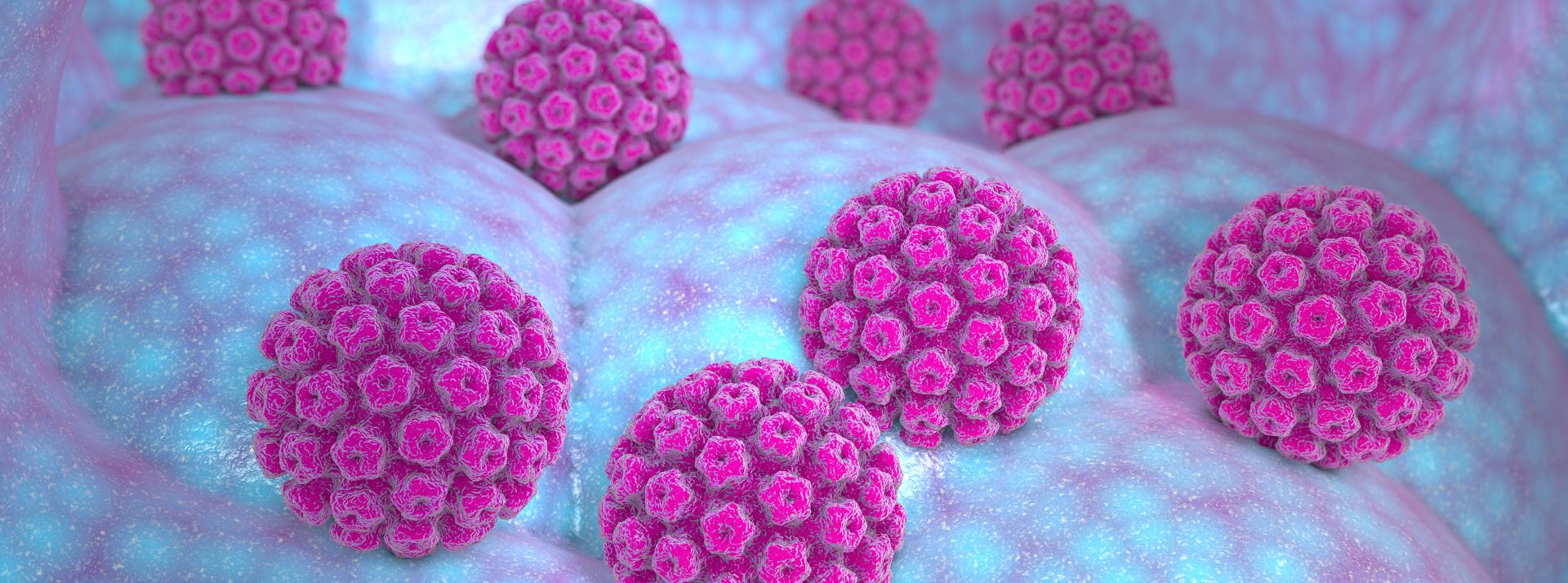
HPV
Human papillomavirus (HPV) causes genital warts and is common in both men and women. Some HPV types cause cervical, vaginal, vulvar, and anal cancers. HPV causes the majority of abnormal pap tests in women.
What is HPV?
HPV stands for human papillomavirus. It's a common virus that spreads when people have close skin-to-skin contact. You can get HPV by doing any kind of sexual activity involving oral, genital, or anal contact. You don't need to have sexual intercourse to get infected. Many times, there are no signs or symptoms of the infection. This means you might not know if you or your partner has it.
Facts
- 75% of people will have at least one HPV infection during their lifetime.
- 67% of people who have sexual contact with someone who has genital warts will also get them, usually within 3 months.
- People who have HPV may not show any signs or symptoms.
- Even if someone is already sexually active, they may still be at risk for some of the HPV types they haven’t been exposed to, so it is not too late to help protect against HPV.
- HPV has also been linked to some head and neck cancers.
Who should get the HPV vaccine?
BC has recently expanded the eligibility criteria of HPV vaccine.
The HPV vaccine has now provided free to individuals 9 to 26 years of age.
School aged students are routinely offered HPV vaccine starting in grade 6.
The HPV vaccine is also provided free to individuals 27 to 45 years of age who are:
- Two-Spirit, transgender and/or non-binary
- Males who have sex with males, including those who may not yet be sexually active and are questioning their sexual orientation
Other individuals eligible for the HPV vaccine include those:
- 9 to 45 years of age living with HIV
- Those who receive post-colposcopy treatment for cervical dysplasia on or after July 31, 2025
Where to get vaccinated against HPV
Find an immunization clinic close to you to get vaccinated against HPV.
Please call ahead to ensure the vaccine is available. First Nations children can also receive vaccines in their communities.
HPV vaccines to prevent HPV
The HPV vaccine used in BC’s routine immunization program is the HPV9 vaccine, also known as Gardasil® 9, which protects against the following strains of HPV: 6, 11, 16, 18, 31, 33, 45, 52, 58.
This vaccine provides the following protection for various lesions:
HPV-9 types – 6, 11, 16, 18, 31, 33, 45, 52, 58
- Cervical cancer cases - 90%
- High-grade cervical lesions - 75-85%
- Low-grade cervical lesions - 50-60%
- HPV-related vulvar cancer cases - 85-90%
- HPV-related vaginal cancer cases - 80-85%
- HPV-related anal cancers - 90-95%
- Genital wart cases - 90%
In 20 years, there will be a drop in cancer cases. You want to be part of that statistic. Now, a single HPV dose provides effective protection for youth aged 9–20.
Early protection works best!
The younger you get this vaccine, the better it works and the less likely you will have been exposed to any of the viruses.
Resources
-
-
HPV (human papillomavirus) vaccine - HealthLink BC
-
