

How to prevent the spread of germs in schools

Handwashing and getting immunized are the best way to stop the spread of germs. Learn more tips about how to prevent the spread of illness in your school community.
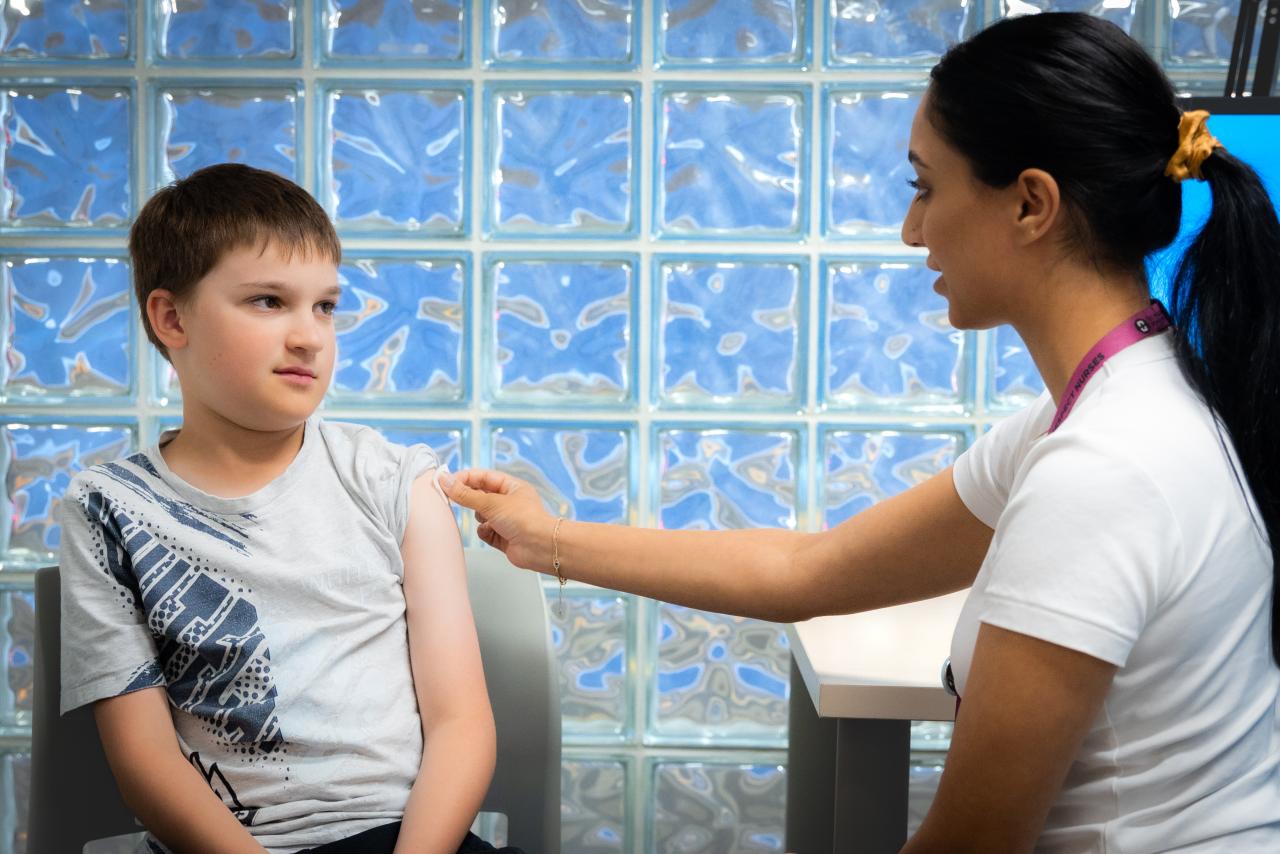
Get immunized
We recommend children be immunized before starting kindergarten. Public Health Nurses offer routine childhood immunizations in schools in Grades Kindergarten, 6 and 9. You can also book immunization appointments at a Public Health clinic.
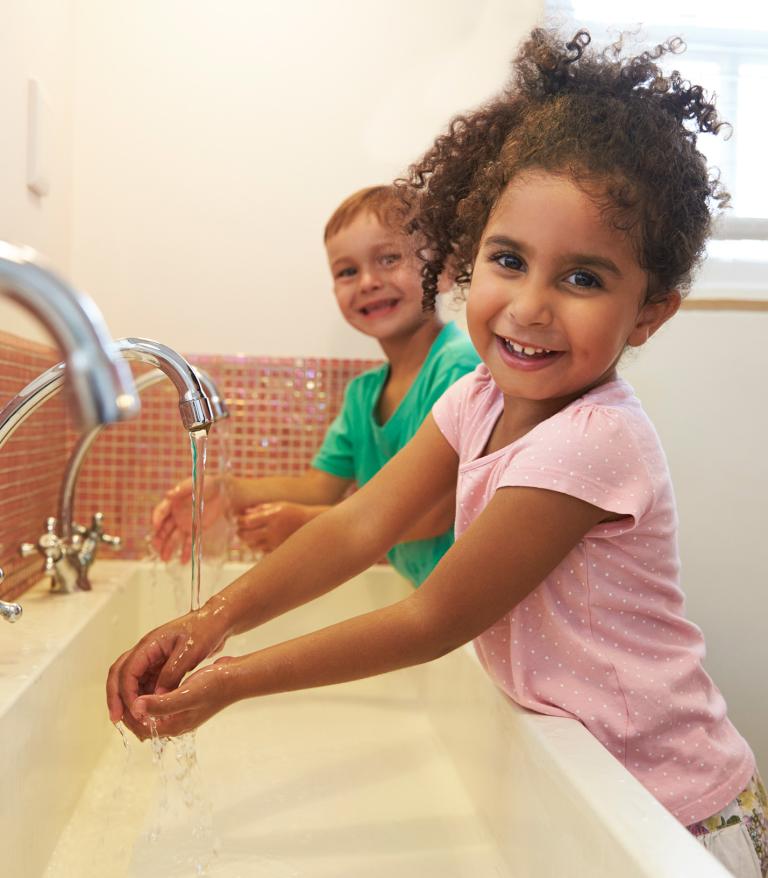
Wash hands
Help your children learn to wash their hands with soap and water (for at least 20 seconds) after using the washroom, blowing your nose, and before eating.
Respiratory etiquette
Teach children:
- to cough or sneeze into their elbow or a tissue, throw the tissue away, and wash hands.
- not to touch their eyes, nose, or mouth with unwashed hands
- not to share food, drinks, or other items that have touched someone’s mouth.
Follow guidance on when to stay home from school
Children with fever, cough, or a runny nose, diarrhea, or vomiting should stay home until they are well enough to participate in regular activities. If your child has diarrhea or vomiting, they can return to school when they no longer have any symptoms.
BCCDC's Quick Guide to Common Childhood Diseases Public Health guidance for K to 12 schools
