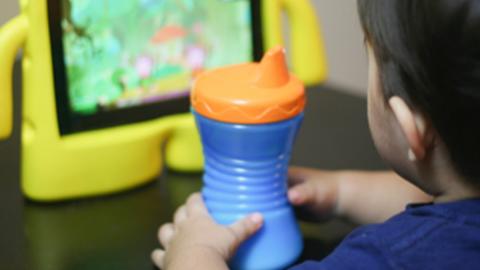

Screen use for children aged 0 to 4
If your child is having a mental health or substance use crisis:
- Call 9-1-1 or take them to the nearest emergency room
- Call 310-6789 for mental health support
- Call 988 for the National suicide crisis line
- Kids Help Phone (1-800-668-6868)
- KUU-US Indigenous Crisis and Support Line: 1-800-588- 8717
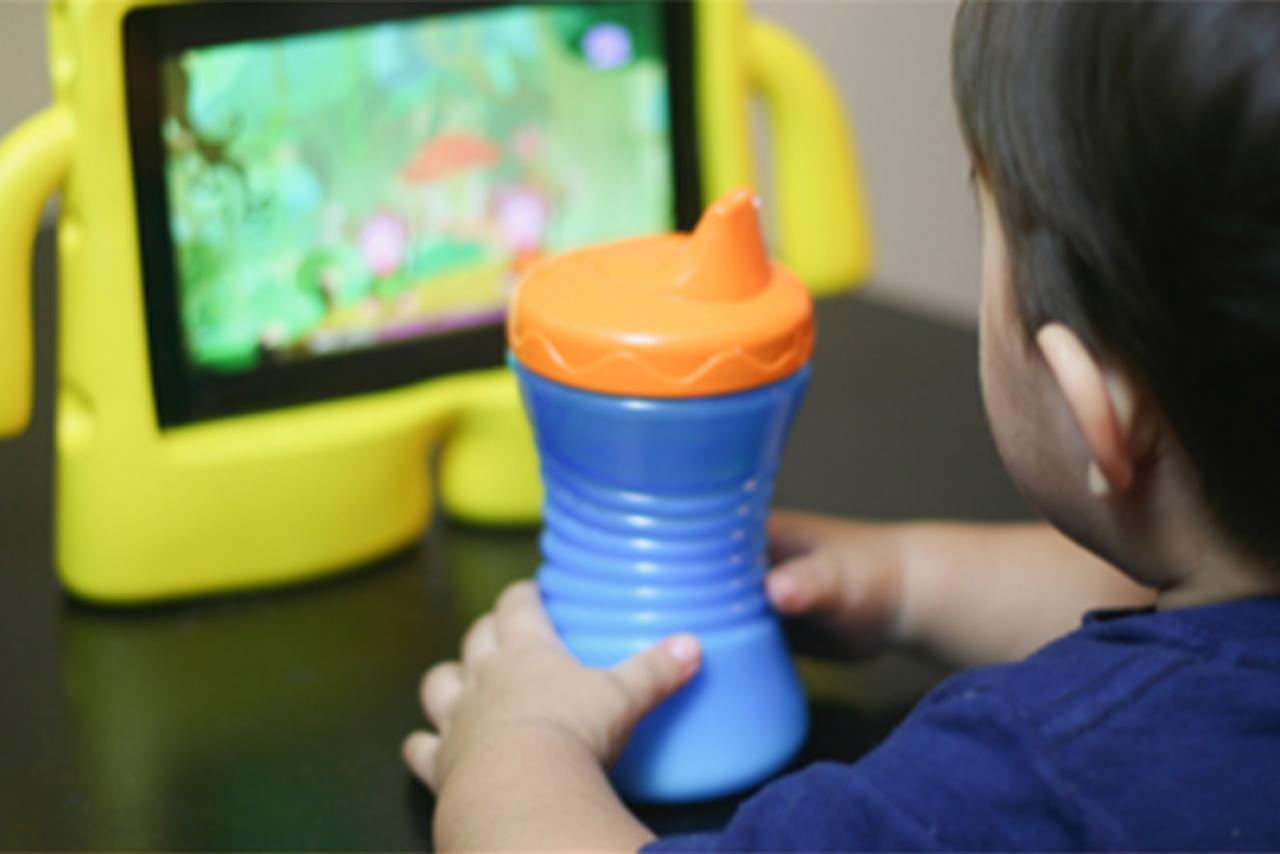
Learn how to support screen health for children aged 0 to 4. Explore tips, resources and guidance on managing screen time.
Canadian pediatric society guidelines
Children ages 0-2
- Screen time is not recommended
- Video calling with loved ones can be a great way to stay connected
Children ages 2-5
- Less than 1 hour per day of screen time
- Young children learn best from face-to face interactions with caring adults. It’s best to keep their screen time to a minimum.
In the early years, risks of screen use include:
- delayed language development
- reduced attention, working memory, and impulse-control
- lower reading abilities
- missed opportunities for connection with loved ones
- nearsightedness
- sleep deprivation
- less time outdoors and reduced fundamental movement skills
Family media plan
- As a family, consider developing a family media plan to guide when, how and where screens can—and can’t—be used.
- Consider your child’s unique characteristics, family values, and how they respond to media when making the plan. Regularly review the plan as your child grows older.
- Include your own screen guidelines as part of the family plan, and consider how you can role model healthy tech use.
Setting limits when children are young is easier than cutting back when they’re older
There is no evidence to suggest that introducing technology at an early age improves your child’s development
Follow the 4 C’s for some evidence-based tips to manage your child’s screen use
-
Communicate
Be present and engaged when screens are used and, whenever possible, co-view content with children.
- Toddlers and preschoolers understand a lot of our language, so this is a good time to talk to them about what they see in videos, advertisements or behaviour of characters.
- If your child is watching something, talk about it. Do something related to the show or movie with your child.
-
Content
Prioritize face to face activities over screen-time.
- Children two years and up may benefit from high-quality educational programs. You can try using tools, like Common Sense Media or Plugged-In, to find out what shows are the right fit.
- If using a platform like YouTube, select videos for your child rather than giving them full access to the device. Try turning off autoplay to avoid having videos you have not chosen popping up
-
Calm
Teach your child coping mechanisms for big emotions that do not involve devices.
- This article lists some pediatrician-recommended parenting strategies you could try.
- If using screens, keep them for regular times of day or for long car/bus/plane rides.
- Support kids to settle their bodies for sleep by putting devices away at least 1 hour before bedtime. Focus on a calming bedtime routine with activities like reading and snuggling.
-
Crowding out
At this age, screens may crowd out playing, moving their body, running around outside, exploring nature, looking at books, and chatting with siblings and adult caregivers.
- All of these activities teach social and brain skills that help set toddlers up for success in preschool and kindergarten.
- Turn off screens when not in use and avoid background TV. Build screen-free time into your family routines, like at family meals or when reading a story
Resources
Download the PDF version and explore translated versions below.
These family-friendly guides were created together by Vancouver Coastal Health and the BC Children’s Hospital - Kelty Mental Health Resource Centre teams to support you and your child.