
극한의 추위

극심한 추위에서는 저체온증, 동상, 미끄러짐, 낙상, 일산화탄소 중독 및 사망 위험이 증가합니다. 겨울철 날씨는 모든 사람의 건강에 영향을 미칠 수 있으므로, 자신과 가족, 지역사회의 안전을 지키기 위한 준비와 필요한 조치를 취하세요.
겨울철 날씨에 생길 수 있는 건강 문제
겨울철에는 저체온증, 동상, 미끄러짐, 낙상, 일산화탄소 중독 및 사망 위험이 증가합니다. 겨울철 날씨는 누구에게나 건강상의 영향을 미칠 수 있으므로 미리 대비하고 필요한 경우 조치를 취하세요.


미끄러짐과 낙상
눈과 얼음이 있는 계절에는 실외에서 미끄러지거나 넘어질 위험이 더 큽니다. 이러한 계절에는 미끄러짐과 낙상으로 인해 응급실을 방문하거나 입원하는 사람들이 증가할 수 있습니다. 나이와 몸상태에 관계없이 모든 사람이 낙상의 위험에 처할 수 있습니다. 올바른 도구와 준비만 있으면 낙상을 예방할 수 있습니다.
미끄러짐과 낙상 방지 정보
- • 목적지에 도착할 시간이 충분하도록 미리 계획하세요.
- • 지면에 얼음과 눈이 있는 경우 깨끗이 치워진 보도로 걸으세요.
- • 발에 잘 맞고 두꺼운 미끄럼 방지 밑창이 있는 부츠나 신발을 신으세요.
- • 지팡이나 스키폴 또는 산책 스틱을 사용해서 균형을 잡으세요. 지팡이를 사용하는 경우 접어 넣을 수 있는 송곳쇠를 끝에 달아주세요.
- • (펭귄처럼) 미끄러운 표면에서 발가락을 약간 바깥쪽으로 향하게 하여 발을 끌면서 천천히 걸어보세요. 겨울에 걷는법 비디오에는 더 많은 정보가 있습니다.
Resources for staying healthy
We've put together practical tips and resources to help you maintain your health, care for your body and make wise choices this winter. Small, consistent actions can greatly improve your safety and wellness during colder months. Learn more about winter care.
By embracing these strategies, you can actively protect your health this winter:
-
Prevent slips and falls
When winter comes, ice and snow can make sidewalks and other surfaces slippery…
-
Stay active and connected
Winter activities can help you stay healthy during the colder months. From skii…
-
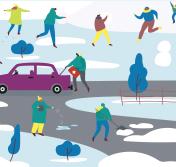
Ensure winter road safety
Winter driving demands extra attention due to reduced visibility, slippery road…
-
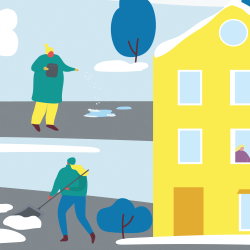
Keep your home safe during winter
When winter arrives, people spend more time indoors, most often in their home. …
-
Vaccinate and protect
Vaccinations are a critical line of defence against respiratory illnesses, part…
-
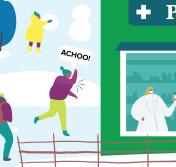
Practise good respiratory hygiene
Respiratory hygiene is crucial for preventing the spread of infectious diseases…
겨울 날씨 경고
- • 북극 한파 경보는 풍속과 온도의 조합으로 체감온도가 -20°C 이하로 6시간 이상 지속될 때 브리티시 컬럼비아 코스트 지역에 발령됩니다.
- • 브리티시 컬럼비아 코스트(Coastal Britishi Columbia) 지역에는 기온 또는 체감온도가 최소 2시간 동안 -35°C에 도달할 것으로 예상되는 경우 극한 추위 경보가 발령됩니다.
- • 브리티시 컬럼비아 코스트 남부 및 중부 지역(Southern and Central Coastal British Columbia)에 12시간 이내에 적설량이 10cm 이상이거나, 6시간 이내에 5cm 이상일 경우, 강설 경보가 발령됩니다.
- • 겨울 폭풍 경보는 심각하고 잠재적으로 위험한 겨울 기상 조건이 예상될 때 발령됩니다. 여기에는 큰 강설량 (24시간 내에 25cm 이상) 과 상당한 강설량 (강설 경보 기준량)이 우빙, 강풍, 폭설 및/또는 극한 추위와 같은 다른 추운 날씨의 강설과 혼합되었을 때가 포함됩니다.
- • 돌발 동결 경보는 급격한 기온 저하로 인해 녹은 눈이나 내린 비로 인해 표면에 잔류한 물이 얼어서 많은 지역의 도로, 보도 또는 기타 표면에 상당한 얼음이 형성될 것으로 예상될 때 발행됩니다.
BC주의 공공 기상경보에 대한 자세한 내용은 아래 캐나다 환경기후변화부(Environment and Climate Change Canada) 정보를 참조하십시오.
• BC주 온라인 공공 기상경보 (번역판)
• 웨더캔 (WeatherCAN) 앱 (번역판)
Mental health and substance use
For many, winter can take a toll on physical and mental health and well-being. Don’t hesitate to get help when you need it. If you are struggling, there are supports available.
-

Mental health and substance use
Mental health and substance use services are available to provide support, serv…
-

Harm reduction
Keeping people and communities safe and healthy by preventing infections, illne…
-
Supervised Consumption and Overdose Prevention Sites
Supervised consumption and overdose prevention sites are safe spaces where team…
-

How to access mental health and substance use services
Intake teams are the first people you can talk to if you need non-emergency hel…
Local weather, shelter, and emergency information
During winter weather events, local governments, First Nations, and non-governmental organizations in the Vancouver Coastal Health (VCH) region operate shelters or encourage people to use other public spaces (like libraries and community centres) to safely warm up and avoid exposure to the cold. Some spaces are open overnight, and others are available during the day. More spaces may be added during a weather alert, when risk increases due to cold, wind and/or precipitation.
Many local governments and First Nations post updated information on their social media pages about warming centres or temporary shelters activated during winter weather warnings.
Shelter options may change quickly based on the current weather conditions and capacity. Confirm with organizations directly if services or spaces are currently available.
Learn where to find shelter, weather, and emergency information
Winter weather warnings
-

Arctic outflow warnings
Issued for Coastal British Columbia regions when any combination of wind speed and temperature gives a wind chill of -20°C or lower for 6 hours or more.
-
Extreme cold warnings
Issued for Coastal British Columbia when temperature or wind chills are expected to reach -35°C for at least 2 hours.
-
Snowfall warnings
Issued for Southern and Central Coastal British Columbia when 10 centimeters or more of snow falls within 12 hours or less; or when 5 centimeters or more of snow falls within 6 hours or less.
-
Winter storm warnings
Issued for when severe and potentially dangerous winter weather conditions are expected, including: a major snowfall (25 centimeters or more within a 24 hour period) and a significant snowfall (snowfall warning criteria amounts) combined with other cold weather precipitation types such as freezing rain, strong winds, blowing snow and/or extreme cold.
-
Flash freeze warnings
Issued when significant ice is expected to form on roads, sidewalks or other surfaces over much of a region because of the freezing of residual water from either melted snow or falling/fallen rain due to a rapid drop in temperatures.
Resources

PreparedBC Winter Weather and Storms Preparedness Guide
PreparedBC has developed a Severe Winter Weather and Storm Readiness Guide to help people prepare for such weather events. The booklet provides key information on the risks associated with the season, and actions you can take to be prepared.

VCH Winter Health Resource for Community Organizations
This resource is intended for community organizations helping their community prepare for and stay safe during winter weather events, like snowstorms or power outages. It provides health guidance, key resources, and recommended actions to prepare for and support community during winter weather events.

Put your health first this winter
This season, more than ever, it's vital to proactively manage your health and well-being. It's essential to recognize when it's time to seek medical help, and just as important to know how to care for yourself and avoid the need for medical care where possible.
겨울 날씨 추가 자료
소셜 미디어 페이지에서 해당 지역의 업데이트 및 새로운 서비스를 확인하세요.
-
-
HealthLinkBC
Tips for staying active in winter weather
-
Health Canada
Extreme Cold Health Guide
-
Canadian Centre for Occupational Health and Safety
Safety tips for shoveling snow
-
Toward the Heart
Getting Prescriptions and Carries During Extreme Weather
-
Ontario Harm Reduction Distribution Program
Supporting people who use substances during extreme cold events.
-
-
-
Drive BC
Plan your route and receive up-to-date weather information
-
Centers for Disease Control and Prevention
How to stay safe during and after a winter storm.
-
Province of BC
Province of BC emergency kit checklist (Translated)
-
PreparedBC
PreparedBC planning for various hazards guides and tools
-
Technical Safety BC
Space Heater Safety Guide
-
-
-
City of Vancouver - Translated
Local winter weather Information
-
City of Richmond – Translated
Local winter weather Information
-
City of North Vancouver
Local snow and ice information
-
City of North Vancouver
Local winter weather Information
-
District of North Vancouver
Local Winter Weather Information
-
District of West Vancouver
Local winter weather Information
-
North Shore Emergency Management
Local winter weather Information
-
Bowen Island Municipality
Local winter weather Information
-
The Village of Lions Bay
Local winter weather Information
-
District of Squamish
Local winter weather Information
-
Town of Gibsons
Local winter weather Information
-
District of Sechelt
Local winter weather Information
-
City of Powell River
Local winter weather Information
-