

Winter weather

Exposure to winter weather can be harmful to health, and in some cases may pose a serious threat to life. Learn the symptoms of hypothermia and frostbite, and how to prepare for the winter season to protect your health and that of your family and community.
Health issues during winter weather
During winter weather, there are increased risks of hypothermia, frostbite, slips, falls, carbon monoxide poisoning and potentially death. Anyone can be impacted by the health effects of winter weather, so be prepared and take action when necessary.

Hypothermia
Hypothermia is caused by exposure to cold temperatures, causing body temperature to drop. Low body temperature can cause confusion and difficulty moving and can have severe impacts including organ failure and death.
Download the hypothermia infographic
Frostbite
Frostbite occurs when skin freezes and can occur when skin is exposed to cold temperatures. In severe cases, frostbite may lead to amputation (the need to medically remove a body part). At the first signs of redness or pain in any skin area, protect any exposed skin and/or get out of the cold—frostbite may be beginning.
Download the frostbite infographicPeople at higher risk
Some people are at higher risk of experiencing health effects related to winter weather. While anyone who isn’t dressed warmly is at risk of negative health effects , some individuals are at greater risk from winter weather than others. Preparing for and having support during winter weather events is especially important for the following groups:
Populations who are at higher risk of winter weather-related health effects include:
- People who are unhoused or insecurely housed
- People living in housing without enough insulation, electricity, or heat (including people who can’t afford to use heat).
- People spending long periods of time outdoors (for work, recreation, or transportation)
- Older adults
- Infants and young children
- People with a pre-existing health conditions including heart or lungs conditions, or health conditions that impact blood circulation (e.g. diabetes, or certain medications that constrict blood vessels)
- People who use substances, including alcohol
Resources for staying healthy
We've put together practical tips and resources to help you maintain your health, care for your body and make wise choices this winter. Small, consistent actions can greatly improve your safety and wellness during colder months. Learn more about winter care.
By embracing these strategies, you can actively protect your health this winter:
-
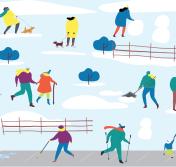
Prevent slips and falls
When winter comes, ice and snow can make sidewalks and other surfaces slippery…
-
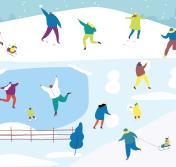
Stay active and connected
Winter activities can help you stay healthy during the colder months. From skii…
-
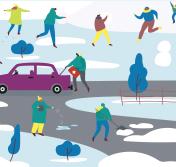
Ensure winter road safety
Winter driving demands extra attention due to reduced visibility, slippery road…
-
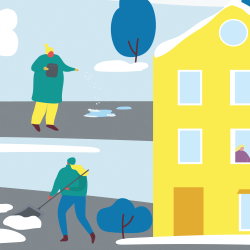
Keep your home safe during winter
When winter arrives, people spend more time indoors, most often in their home. …
-
Vaccinate and protect
Vaccinations are a critical line of defence against respiratory illnesses, part…
-
Practise good respiratory hygiene
Respiratory hygiene is crucial for preventing the spread of infectious diseases…
During winter storms and extreme cold
- Check weather advisories from Environment and Climate Change Canada and emergency alerts from Emergency Info BC.
- Contact your Local Government or First Nation to ask if they provide community supports.
- Know where to go for the right healthcare during winter months.
- Consider rescheduling activities or limiting time outdoors during colder temperatures.
- Check-in on your neighbours, friends and family, especially older adults or people with disabilities who live alone. Make sure they are keeping warm and check if they need supplies, transportation, assistance clearing snow or other support.
For more information on Public Weather Alerts for British Columbia, visit these Environment and Climate Change Canada resources (available in English and French):
Online public weather alerts for BC
WeatherCAN App
Hello Weather – Automated telephone forecasts and weather alerts
Mental health and substance use
For many, winter can take a toll on physical and mental health and well-being. Don’t hesitate to get help when you need it. If you are struggling, there are supports available.
-

Mental health and substance use
Mental health and substance use services are available to provide support, serv…
-

Harm reduction
Keeping people and communities safe and healthy by preventing infections, illne…
-
Supervised Consumption and Overdose Prevention Sites
Supervised consumption and overdose prevention sites are safe spaces where team…
-

How to access mental health and substance use services
Intake teams are the first people you can talk to if you need non-emergency hel…
Local weather, shelter, and emergency information
During winter weather events, local governments, First Nations, and non-governmental organizations in the Vancouver Coastal Health (VCH) region operate shelters or encourage people to use other public spaces (like libraries and community centres) to safely warm up and avoid exposure to the cold. Some spaces are open overnight, and others are available during the day. More spaces may be added during a weather alert, when risk increases due to cold, wind and/or precipitation.
Many local governments and First Nations post updated information on their social media pages about warming centres or temporary shelters activated during winter weather warnings.
Shelter options may change quickly based on the current weather conditions and capacity. Confirm with organizations directly if services or spaces are currently available.
Learn where to find shelter, weather, and emergency information
Winter weather warnings
-

Arctic outflow warnings
Issued for Coastal British Columbia regions when any combination of wind speed and temperature gives a wind chill of -20°C or lower for 6 hours or more.
-
Extreme cold warnings
Issued for Coastal British Columbia when temperature or wind chills are expected to reach -35°C for at least 2 hours.
-
Snowfall warnings
Issued for Southern and Central Coastal British Columbia when 10 centimeters or more of snow falls within 12 hours or less; or when 5 centimeters or more of snow falls within 6 hours or less.
-
Winter storm warnings
Issued for when severe and potentially dangerous winter weather conditions are expected, including: a major snowfall (25 centimeters or more within a 24 hour period) and a significant snowfall (snowfall warning criteria amounts) combined with other cold weather precipitation types such as freezing rain, strong winds, blowing snow and/or extreme cold.
-
Flash freeze warnings
Issued when significant ice is expected to form on roads, sidewalks or other surfaces over much of a region because of the freezing of residual water from either melted snow or falling/fallen rain due to a rapid drop in temperatures.
Resources

PreparedBC Winter Weather and Storms Preparedness Guide
PreparedBC has developed a Severe Winter Weather and Storm Readiness Guide to help people prepare for such weather events. The booklet provides key information on the risks associated with the season, and actions you can take to be prepared.

VCH Winter Health Resource for Community Organizations
This resource is intended for community organizations helping their community prepare for and stay safe during winter weather events, like snowstorms or power outages. It provides health guidance, key resources, and recommended actions to prepare for and support community during winter weather events.

Put your health first this winter
This season, more than ever, it's vital to proactively manage your health and well-being. It's essential to recognize when it's time to seek medical help, and just as important to know how to care for yourself and avoid the need for medical care where possible.
Additional winter weather resources
-
-
HealthLinkBC
Tips for staying active in winter weather
-
Health Canada
Extreme cold health guide.
-
Canadian Centre for Occupational Health and Safety
Safety tips for shoveling snow.
-
Toward the Heart
Getting prescriptions and carries during extreme weather.
-
Ontario Harm Reduction Distribution Program
Supporting people who use substances during extreme cold events.
-
-
-
Drive BC
Plan your route and receive up-to-date weather information
-
Centers for Disease Control and Prevention
How to stay safe during and after a winter storm.
-
Province of BC
Province of BC emergency kit checklist (Translated)
-
PreparedBC
PreparedBC planning for various hazards guides and tools
-
Technical Safety BC
Space Heater Safety Guide
-
-
-
City of Vancouver - Translated
Local winter weather Information
-
City of Richmond – Translated
Local winter weather Information
-
City of North Vancouver
Local snow and ice information
-
City of North Vancouver
Local winter weather Information
-
District of North Vancouver
Local Winter Weather Information
-
District of West Vancouver
Local winter weather Information
-
North Shore Emergency Management
Local winter weather Information
-
Bowen Island Municipality
Local winter weather Information
-
The Village of Lions Bay
Local winter weather Information
-
District of Squamish
Local winter weather Information
-
Town of Gibsons
Local winter weather Information
-
District of Sechelt
Local winter weather Information
-
City of Powell River
Local winter weather Information
-