
極寒

極度の寒さにおいては、低体温症、凍傷、スリップ、転倒、一酸化炭素中毒のリスクが高まり、死亡の可能性もあります。誰でも冬季の天候によって心身に影響を受けることがありますので、自分や家族そして地域の安全を守るためにも、しっかり準備をして必要なことをしてください。
冬季の天候における健康上の問題
冬季の天候がつづく間は、低体温症、凍傷、スリップ、転倒、一酸化炭素中毒のリスクが高まり、死亡の可能性もあります。冬の天気が心身へ影響することは誰にでもありえますので、そのための備えをして必要な対策をしてください。


スリップと転倒
雪や氷の季節には屋外で滑って転倒する危険性が高まります。この時期には、救急外来を訪れたり、滑って転倒して入院する人が増えることもあります。年齢や能力に関係なく、誰にでも転倒のリスクがあります。転倒は適切なツールと準備によって防ぐことができます。
スリップと転倒を避けるヒント
- • 目的地まで十分な時間を持てるように、事前に計画を立てる。
- • 地面に氷や雪がある場合は、整備された歩道を歩く。
- • 厚いノンスリップトレッドソール(滑らず歩ける靴底)を備えた、よくフィットしたブーツか靴を履く。
- • バランスを取るため、杖やスキーポール、ウォーキングステッキなどを使う。杖を使用する場合は、先端に伸縮式のアイスピックを取り付ける。
- • 滑りやすい路面では、(ペンギンのように)つま先をわずかに外側に向けて短くすり足で歩く。詳細については、この 冬のウォーキングビデオ をご覧ください。
Resources for staying healthy
We've put together practical tips and resources to help you maintain your health, care for your body and make wise choices this winter. Small, consistent actions can greatly improve your safety and wellness during colder months. Learn more about winter care.
By embracing these strategies, you can actively protect your health this winter:
-
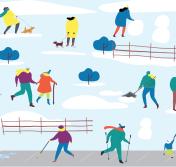
Prevent slips and falls
When winter comes, ice and snow can make sidewalks and other surfaces slippery…
-
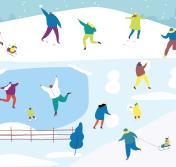
Stay active and connected
Winter activities can help you stay healthy during the colder months. From skii…
-
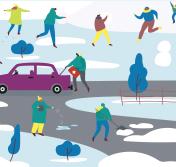
Ensure winter road safety
Winter driving demands extra attention due to reduced visibility, slippery road…
-
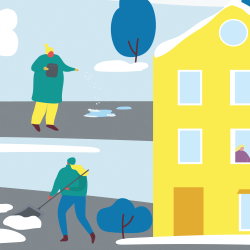
Keep your home safe during winter
When winter arrives, people spend more time indoors, most often in their home. …
-
Vaccinate and protect
Vaccinations are a critical line of defence against respiratory illnesses, part…
-
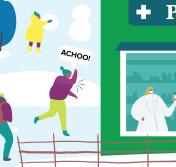
Practise good respiratory hygiene
Respiratory hygiene is crucial for preventing the spread of infectious diseases…
冬季気象警報
- • 北極外出流警報 は、ブリティッシュコロンビア州沿岸地域を対象に、風速と気温の組み合わせによって6時間以上-20℃以下の寒さがつづく場合に発令される。
- • 極寒警報 は、ブリティッシュコロンビア沿岸地域を対象に、気温または風の寒気が2時間以上-35℃に達すると予想される場合に発令される。
- • 大雪警報 は、ブリティッシュコロンビア州の南部および中部沿岸を対象に、12時間以内に10センチメートル以上の雪が降った場合、または6時間以内に5センチメートル以上の雪が降った場合に発令される。
- • 冬季暴風警報 は、厳しく潜在的に危険な冬の気象条件が予想される場合に発令される。それには以下が含まれる:大雪(24時間以内に25センチメートル以上)や顕著な降雪(降雪警報基準量)が、氷雨、強風、吹雪または極度の寒さなど他の寒冷気候の降水タイプと組み合わさった場合。
- • 急速凍結警報 は、気温の急激な低下により溶けた雪や降った/降っている雨の残留水が凍結するため、地域の大半で道路、歩道その他の表面に著しい氷が形成されことが予想される場合に発令される。
ブリティッシュコロンビア州の公共気象警報(Public Weather Alerts)の詳細については、次のカナダ環境気候変動省(ECCC: Environment and Climate Change Canada) リソースをご覧ください。
- BC州オンライン公共気象警報 (翻訳)
- WeatherCANアプリ (翻訳済み)
- Hello Weather – 自動電話予報と天気予報 (翻訳)
Mental health and substance use
For many, winter can take a toll on physical and mental health and well-being. Don’t hesitate to get help when you need it. If you are struggling, there are supports available.
-

Mental health and substance use
Mental health and substance use services are available to provide support, serv…
-

Harm reduction
Keeping people and communities safe and healthy by preventing infections, illne…
-
Supervised Consumption and Overdose Prevention Sites
Supervised consumption and overdose prevention sites are safe spaces where team…
-

How to access mental health and substance use services
Intake teams are the first people you can talk to if you need non-emergency hel…
Local weather, shelter, and emergency information
During winter weather events, local governments, First Nations, and non-governmental organizations in the Vancouver Coastal Health (VCH) region operate shelters or encourage people to use other public spaces (like libraries and community centres) to safely warm up and avoid exposure to the cold. Some spaces are open overnight, and others are available during the day. More spaces may be added during a weather alert, when risk increases due to cold, wind and/or precipitation.
Many local governments and First Nations post updated information on their social media pages about warming centres or temporary shelters activated during winter weather warnings.
Shelter options may change quickly based on the current weather conditions and capacity. Confirm with organizations directly if services or spaces are currently available.
Learn where to find shelter, weather, and emergency information
Winter weather warnings
-

Arctic outflow warnings
Issued for Coastal British Columbia regions when any combination of wind speed and temperature gives a wind chill of -20°C or lower for 6 hours or more.
-
Extreme cold warnings
Issued for Coastal British Columbia when temperature or wind chills are expected to reach -35°C for at least 2 hours.
-
Snowfall warnings
Issued for Southern and Central Coastal British Columbia when 10 centimeters or more of snow falls within 12 hours or less; or when 5 centimeters or more of snow falls within 6 hours or less.
-
Winter storm warnings
Issued for when severe and potentially dangerous winter weather conditions are expected, including: a major snowfall (25 centimeters or more within a 24 hour period) and a significant snowfall (snowfall warning criteria amounts) combined with other cold weather precipitation types such as freezing rain, strong winds, blowing snow and/or extreme cold.
-
Flash freeze warnings
Issued when significant ice is expected to form on roads, sidewalks or other surfaces over much of a region because of the freezing of residual water from either melted snow or falling/fallen rain due to a rapid drop in temperatures.
Resources

PreparedBC Winter Weather and Storms Preparedness Guide
PreparedBC has developed a Severe Winter Weather and Storm Readiness Guide to help people prepare for such weather events. The booklet provides key information on the risks associated with the season, and actions you can take to be prepared.

VCH Winter Health Resource for Community Organizations
This resource is intended for community organizations helping their community prepare for and stay safe during winter weather events, like snowstorms or power outages. It provides health guidance, key resources, and recommended actions to prepare for and support community during winter weather events.

Put your health first this winter
This season, more than ever, it's vital to proactively manage your health and well-being. It's essential to recognize when it's time to seek medical help, and just as important to know how to care for yourself and avoid the need for medical care where possible.
その他の冬季気象リソース
在住する地域の最新情報や新サービスについては、ソーシャルメディアのページをご確認ください。
-
-
HealthLinkBC
Tips for staying active in winter weather
-
Health Canada
Extreme Cold Health Guide
-
Canadian Centre for Occupational Health and Safety
Safety tips for shoveling snow
-
Toward the Heart
Getting Prescriptions and Carries During Extreme Weather
-
Ontario Harm Reduction Distribution Program
Supporting people who use substances during extreme cold events.
-
-
-
Drive BC
Plan your route and receive up-to-date weather information
-
Centers for Disease Control and Prevention
How to stay safe during and after a winter storm.
-
Province of BC
Province of BC emergency kit checklist (Translated)
-
PreparedBC
PreparedBC planning for various hazards guides and tools
-
Technical Safety BC
Space Heater Safety Guide
-
-
-
City of Vancouver - Translated
Local winter weather Information
-
City of Richmond – Translated
Local winter weather Information
-
City of North Vancouver
Local snow and ice information
-
City of North Vancouver
Local winter weather Information
-
District of North Vancouver
Local Winter Weather Information
-
District of West Vancouver
Local winter weather Information
-
North Shore Emergency Management
Local winter weather Information
-
Bowen Island Municipality
Local winter weather Information
-
The Village of Lions Bay
Local winter weather Information
-
District of Squamish
Local winter weather Information
-
Town of Gibsons
Local winter weather Information
-
District of Sechelt
Local winter weather Information
-
City of Powell River
Local winter weather Information
-